Freeze-Dried Fruit for Baking: How to Use It in Recipes
Freeze-dried fruit is real fruit with nearly all its moisture removed, leaving behind a crisp, intensely flavored piece that weighs almost nothing. In baking, that concentration of flavor and dry, porous texture make it behave very differently from fresh or dried fruit. Understanding those differences helps you use it well.

Blog
Why Freeze-Dried Fruit Works in Baking
Fresh fruit adds moisture to a batter. Dried fruit adds chewiness and sugar. Freeze-dried fruit adds neither — it contributes pure, concentrated flavor and a light crunch without shifting the moisture balance of your recipe.
That matters when you want a distinct fruit flavor without a soggy crumb, or when you want visible color and texture in a finished bake. Freeze-dried strawberry, for example, holds its deep red color through the oven in a way that fresh strawberry rarely does.
It also dissolves cleanly into powders and batters, which makes it useful well beyond folding pieces into dough.
Four Practical Ways to Use It
Grind It Into a Powder
A quick blitz in a food processor or blender turns freeze-dried fruit into a fine, brightly colored powder. This is one of the most versatile things you can do with it.
That powder goes directly into buttercream, cream cheese frosting, whipped cream, or a glaze. It flavors and colors at the same time, with no added sugar from syrups or artificial colorings. Strawberry powder stirred into a vanilla buttercream gives you a clean pink frosting with real fruit flavor.
The same powder works in dry mixes — add it to pancake batter, shortbread dough, or a meringue base before baking.
Fold Whole Pieces Into Batters and Doughs
Freeze-dried fruit pieces can go straight into muffin batter, cookie dough, or scone mix without any prep. Because they contain almost no moisture, they will not bleed or make the dough wet.
During baking, they soften slightly but hold their shape better than fresh fruit. In a cookie, they stay as distinct pockets of flavor. In a muffin, they distribute evenly without sinking.
One thing to watch: if your batter is very wet, the pieces will rehydrate and soften before baking. In that case, fold them in at the last moment, just before portioning.
Use It as a Topping or Decoration
Freeze-dried fruit placed on top of a baked good after it comes out of the oven stays crisp and visually striking. Crushed freeze-dried mango on a tart, whole freeze-dried strawberry halves on a cheesecake, or crumbled freeze-dried apricot pressed into the top of a loaf cake all work well.
This approach is also practical because the fruit does not need to survive heat. The color and texture stay intact.
Avoid placing freeze-dried fruit on top before baking if you want it to stay crisp. Heat and steam from the oven will rehydrate the surface pieces.
Rehydrate It Deliberately
Sometimes you want the flavor but not the crunch. Soaking freeze-dried fruit in a small amount of warm liquid — water, cream, or juice — for a few minutes gives you a soft, intensely flavored fruit that works well as a filling or a swirl in a cake batter.
This method gives you more control over texture than using dried fruit. Freeze-dried fruit rehydrates quickly and evenly without becoming overly sticky or sweet.
Which Fruits Work Best
Strawberry and mango are the most versatile for baking. Strawberry powder produces a clean pink color and a tart, recognizable flavor. Mango adds a tropical sweetness that pairs well with coconut, lime, and white chocolate.
Apricot works well in doughs and crumbles where a slightly tangy, stone-fruit note fits. It also rehydrates well for fillings.
A combination pack — multiple flavors in one set — is useful if you want to experiment across a recipe before committing to a single fruit.
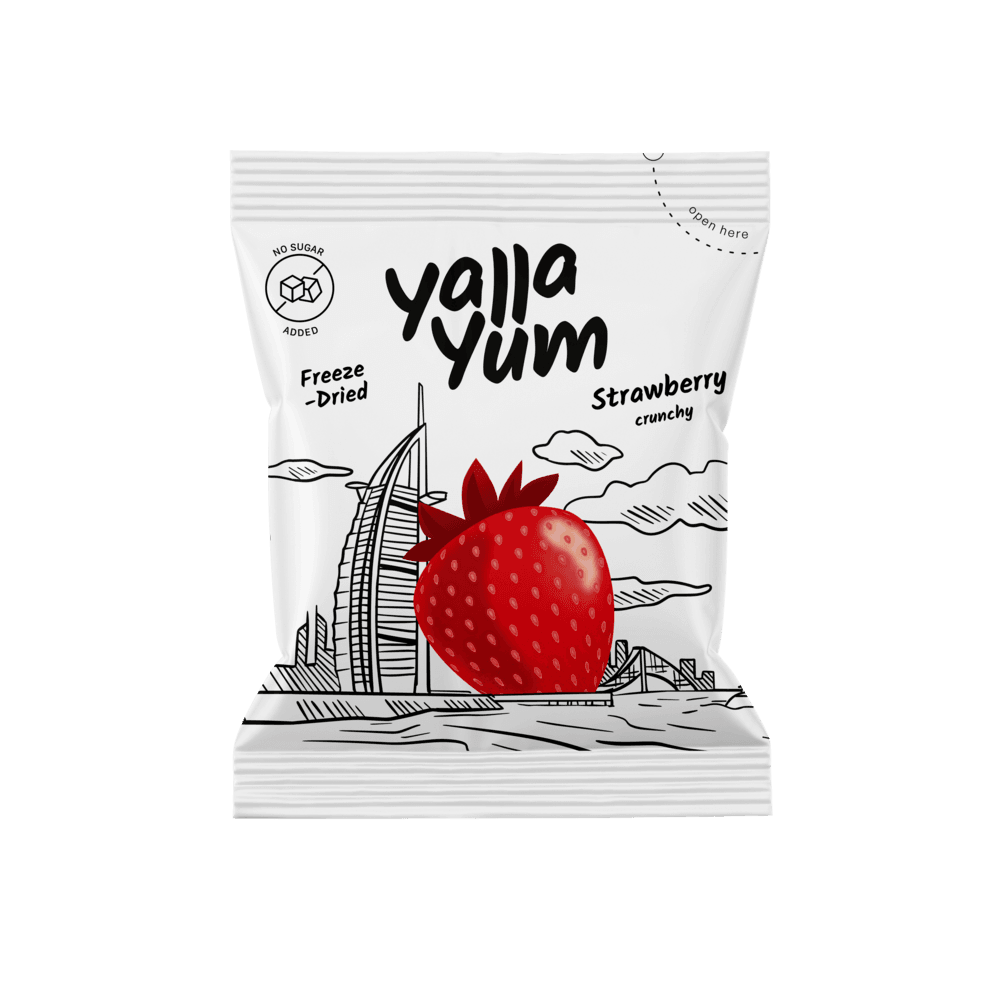
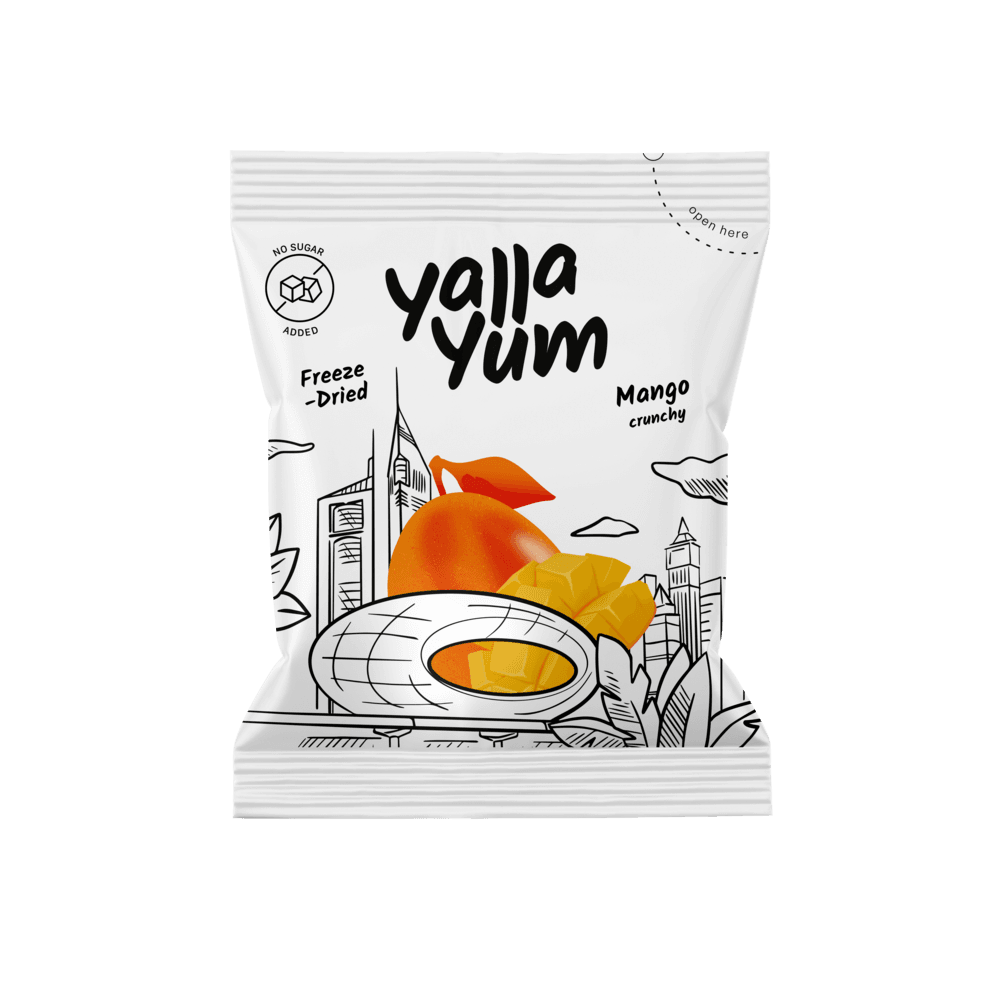
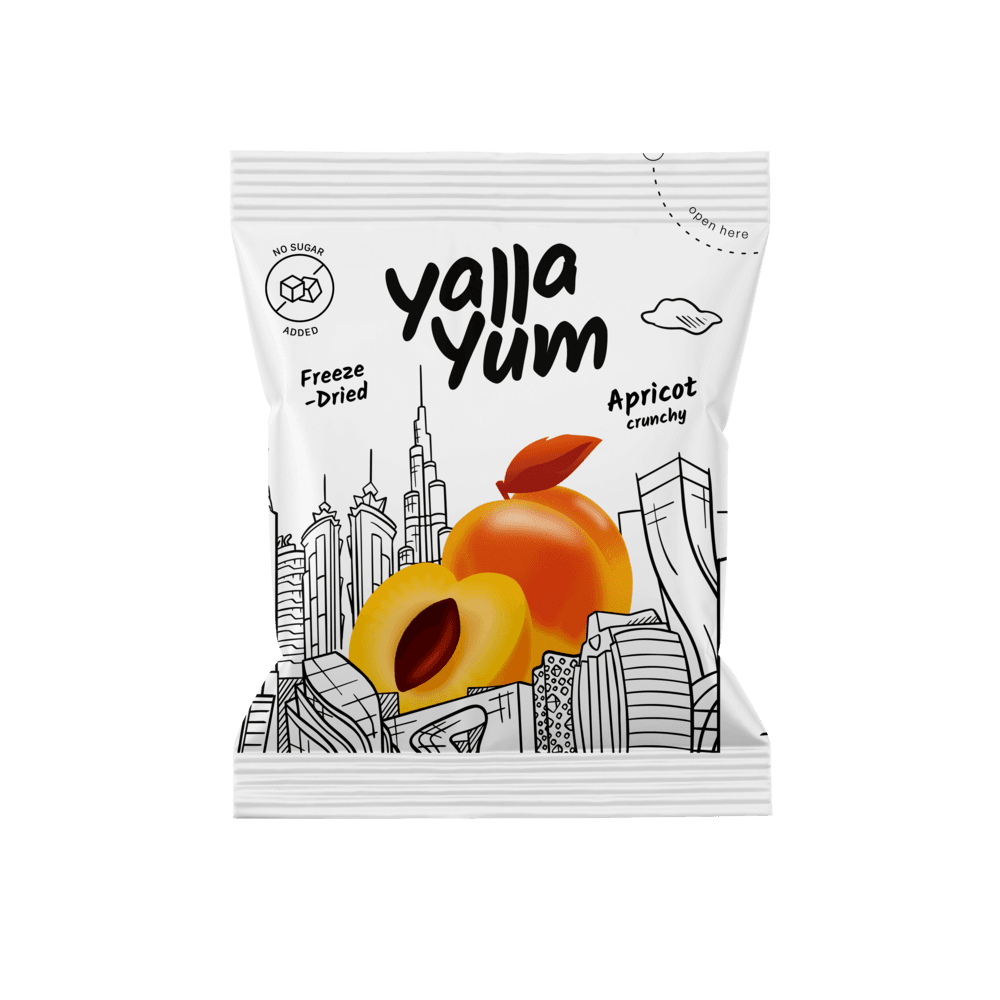
Yalla Yum's range includes freeze-dried mango, strawberry, apricot, and a crunchy fruit trio set, all made from 100% real fruit with no added sugar. That matters in baking because you are not adding hidden sweetness to a recipe you have already balanced.
For a closer look at how freeze-dried fruit differs from the dried fruit you might already have in your pantry, the comparison between freeze-dried fruit and dried fruit covers the key differences in texture, sugar content, and how each behaves in recipes.
A Few Things to Keep in Mind
Freeze-dried fruit is hygroscopic — it absorbs moisture from the air quickly once the pack is opened. Work with it fast, and store any unused portion in a sealed container. Pieces that go soft before use will not behave the same way in the recipe.
Quantities matter too. Because the flavor is concentrated, you generally need less freeze-dried fruit by weight than you would fresh fruit to achieve the same intensity. Start with less than you think you need, taste, and adjust from there.
Finally, check the ingredient list on any freeze-dried fruit you use for baking. Some brands add sugar, citric acid, or preservatives. If you are baking for someone avoiding added sugar, or simply want a clean recipe, use a product that lists only the fruit itself.
FAQs
Can you substitute freeze-dried fruit for fresh fruit in a recipe?
Not on a one-to-one basis. Freeze-dried fruit has no moisture, so it will not contribute the liquid that fresh fruit does. It works best as a flavor addition rather than a structural substitute. For moisture-dependent recipes, rehydrate it first or adjust the liquid in your batter.
Does freeze-dried fruit hold its color when baked?
It holds color better than fresh fruit, but some fading does occur at high temperatures. For the most vivid results, apply freeze-dried fruit as a topping after baking, or use the powder in frostings and glazes that do not go into the oven.
How much freeze-dried fruit should I use compared to fresh?
A rough starting point is one part freeze-dried fruit for every four to five parts fresh fruit by weight. The flavor is much more concentrated, so adjust based on taste and the specific recipe.
Will freeze-dried fruit make my baked goods too sweet?
The flavor is intense, but if you are using a product with no added sugar, the sweetness comes only from the fruit itself. It will not throw off a balanced recipe the way a sugary dried fruit or jam might. Always check the ingredient list to confirm there is no added sugar.
Where can I find freeze-dried fruit with no added sugar in the UAE?
Yalla Yum ships freeze-dried fruit snacks across the UAE from yallayum.ae. The range includes strawberry, mango, apricot, and a fruit trio set, all made from 100% real fruit with no added sugar. Orders over AED 100 qualify for free delivery.
Can I use freeze-dried fruit in no-bake recipes?
Yes, and it often works well there. No-bake cheesecakes, energy balls, chocolate bark, and yogurt parfaits all benefit from freeze-dried fruit because the crunch and color stay fully intact without any heat exposure.
Is freeze-dried fruit the same as dried fruit for baking purposes?
No. Dried fruit is chewy, higher in sugar, and adds moisture to a recipe. Freeze-dried fruit is crisp, lighter in sugar, and adds almost no moisture. They behave differently and are not interchangeable without adjusting the recipe.