Healthy Eating – What Really Matters?
Healthy eating isn’t just about losing weight; it’s about feeling good and satisfied. A healthy diet should serve you, not be a battle against yourself. Strict bans and rigid meal plans can be counterproductive in the long run. Instead, think of healthy eating as conscious, not scientific. Listen to your body’s unique needs. Years of habits can make it hard to distinguish between desires and actual needs, but refining your body awareness can help.
Blog
“You are what you eat” isn’t just a saying; it’s a truth that shapes your daily life. The nutrients you provide to your body are the building blocks of your physical and mental well-being. But what exactly constitutes a healthy diet? And how can it enhance your overall well-being? Let’s dive in!
Why a Healthy Diet?
Healthy eating isn’t just about losing weight; it’s about feeling good and satisfied. A healthy diet should serve you, not be a battle against yourself. Strict bans and rigid meal plans can be counterproductive in the long run. Instead, think of healthy eating as conscious, not scientific. Listen to your body’s unique needs. Years of habits can make it hard to distinguish between desires and actual needs, but refining your body awareness can help.
What Makes Up a Healthy Diet?
Tip 1: Loads of Fresh Vegetables and Fruits
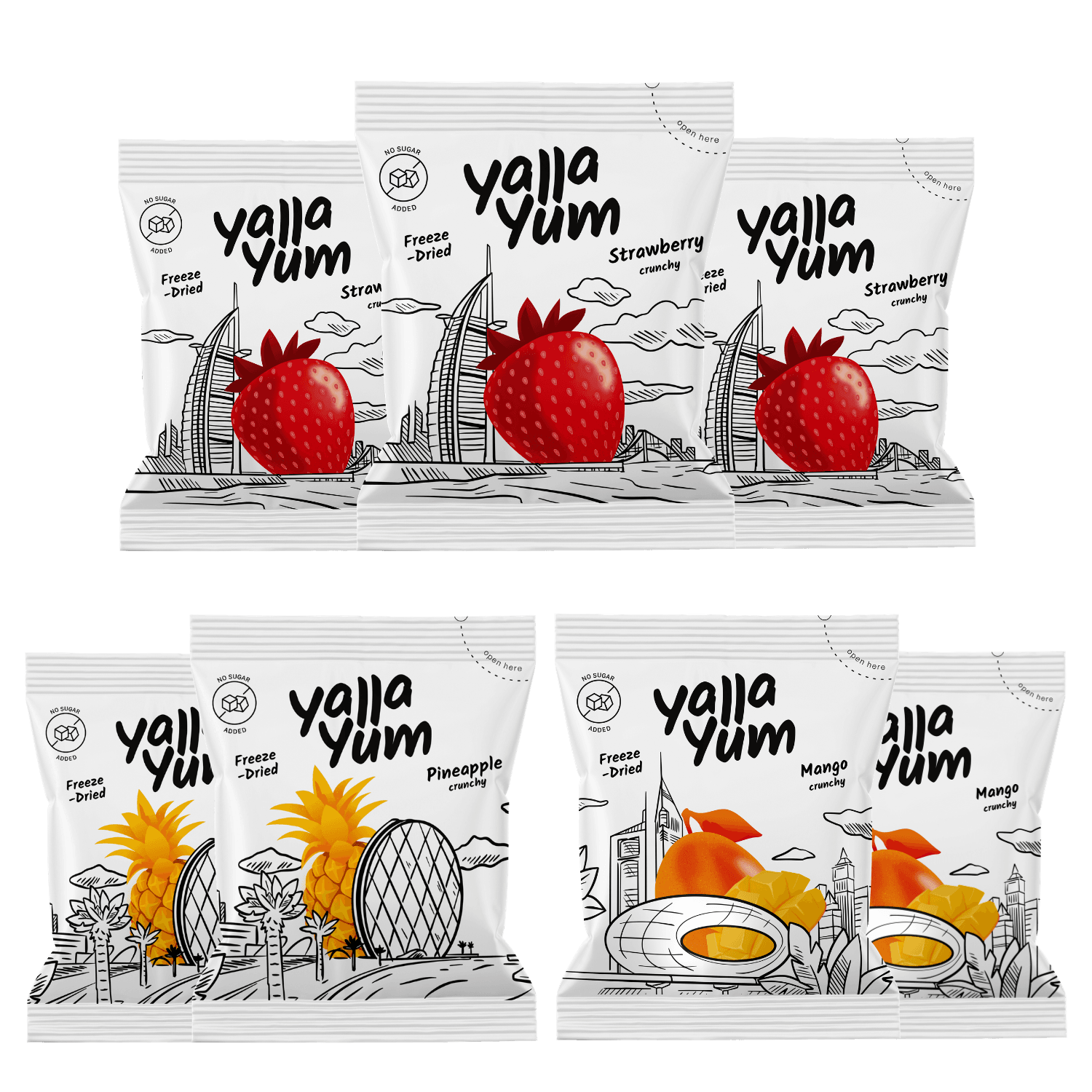
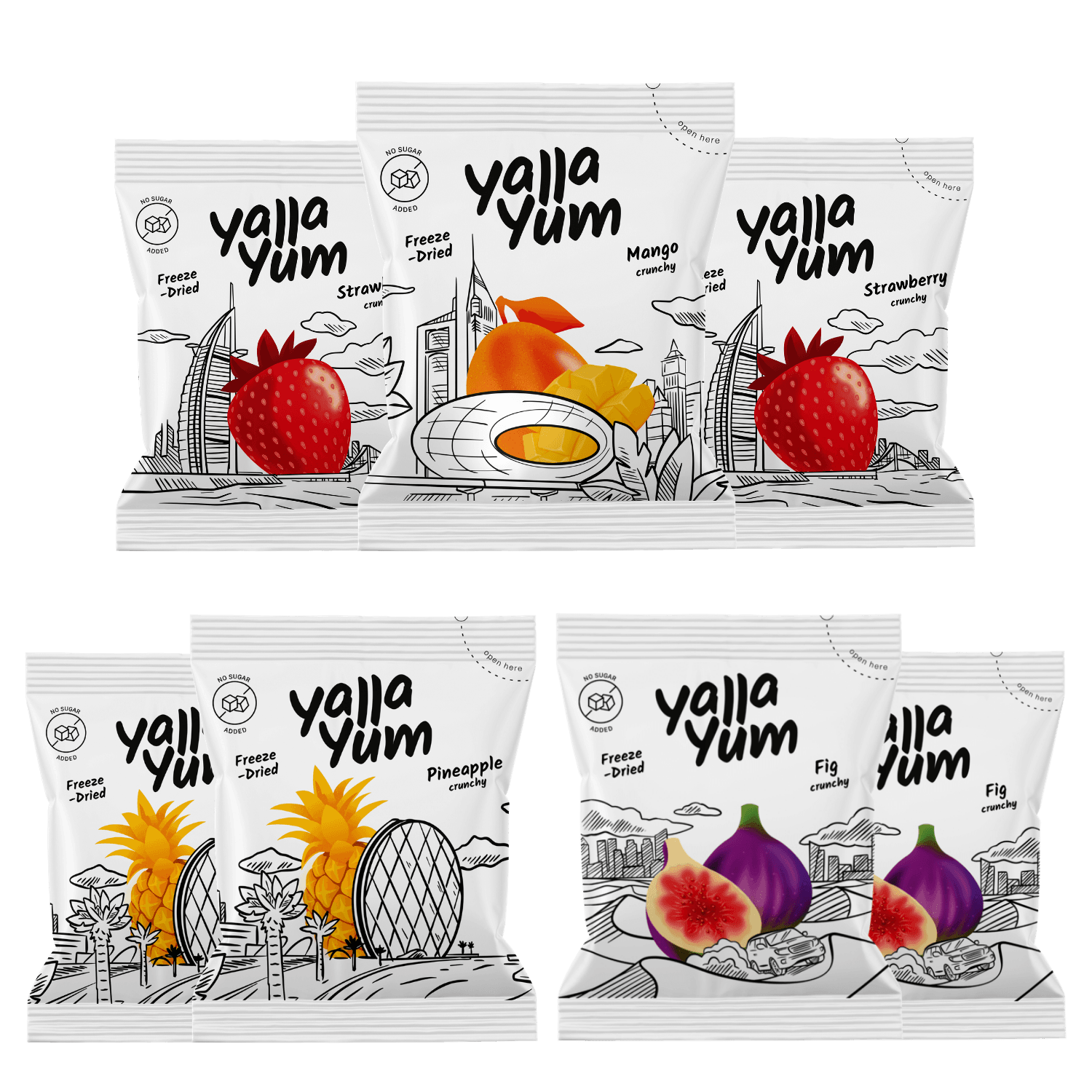
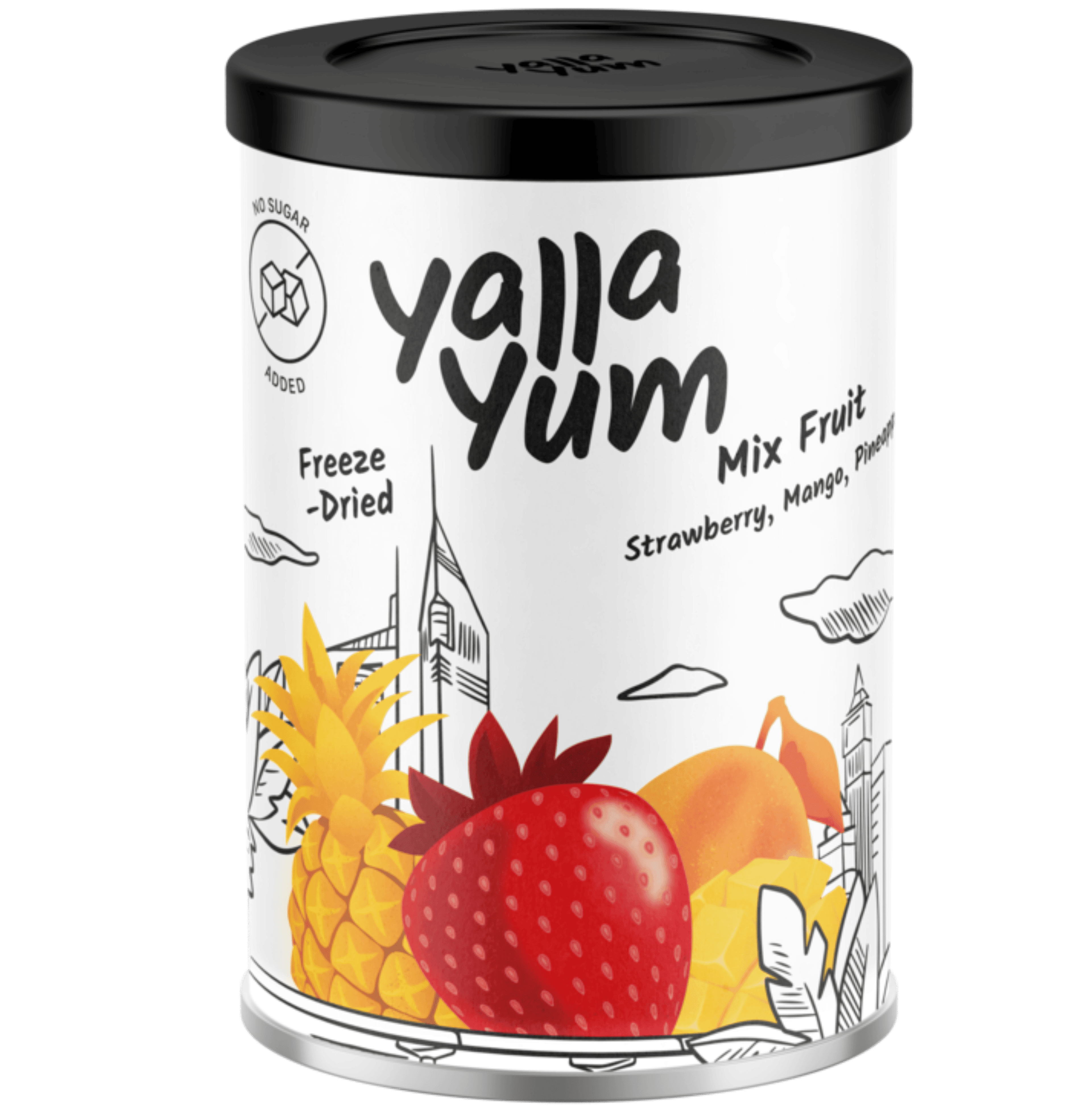
Veggies and fruits are nutrient-dense and low in calories. Fiber-rich vegetables help regulate digestion and metabolism, while fruits’ plant compounds can reduce inflammation and protect against cardiovascular diseases. Aim for variety and choose regional and seasonal produce for maximum vitamins and minerals. Exotic fruits can also be beneficial in their freeze-dried form.
Tip 2: Reduce Dairy Products
Milk is meant for infants, and many adults find it hard to digest. Excessive milk consumption can affect your gut flora and is linked to health issues like high blood pressure. Opt for plant-based alternatives like oat, rice, or almond milk instead.
Tip 3: Go Easy on Meat and Fish
Meat is energy-dense, but plant-based foods can easily meet your nutrient and protein needs. Animal products can acidify your body and introduce stress hormones from the animals’ lives into your system. If you consume meat, choose high-quality sources and limit your intake to 300g-600g per week.
Tip 4: Select the Right Grains
Carbs fuel your muscles and brain. Aim to get about half of your daily energy from sources like potatoes, whole grains, and legumes. Avoid refined flours and processed baked goods, and choose whole grains like millet, barley, or emmer.
Tip 5: Use Sugar Wisely
Refined sugar can harm your performance, gut flora, and immune system. Natural sugars, like coconut blossom sugar or date syrup, are healthier alternatives but should still be consumed in moderation.
Tip 6: Choose the Right Fats
Fats should make up 10%-30% of your daily energy intake. They contain essential vitamins and are crucial for hormone production. Focus on unsaturated fats from sources like avocados, nuts, and cold-pressed oils like linseed and safflower.
Tip 7: Stay Hydrated
Your body needs sufficient fluids for a functioning metabolism. Aim for at least 1.5 liters of water or unsweetened tea daily, increasing to 2-3 liters on warm days. Limit alcohol and caffeine, as they can strain your body.
Crafting Your Healthy Diet
Tip 1: Listen to Your Body
Eat when you’re truly hungry and pay attention to your cravings. Are they habits, desires, or genuine needs?
Tip 2: Enjoy Your Meals
Take your time eating, chew thoroughly, and avoid distractions to better sense your body’s satiety signals.
Tip 3: Mind the Meal Timing
Plant-based meals are fully digested in about four hours. Depending on your blood sugar stability, you may prefer several small meals or a few larger ones.
Tip 4: Healthy Snacking is Okay
If you’re hungry but can’t sit down for a meal, opt for small, healthy snacks like nuts, freeze-dried fruits, or raw veggies.
Conclusion: Relaxation Leads to a Healthy Diet
These tips offer a guide to healthier eating, but the most important thing is your body’s well-being. As you become more attuned to your body’s needs, you can tailor your diet accordingly. Start with a flexible weekly plan, and remember, every small step counts. Enjoy your food without guilt, and gradually, you’ll develop a diet that suits you perfectly, making you feel more energetic and comfortable in your daily life.
FAQs
Q1: What is a healthy diet?
A healthy diet includes a balanced mix of fresh, plant-based foods, high-quality proteins, and healthy fats, while minimizing processed foods and refined sugars.
Q2: How can I start eating healthier?
Begin by incorporating more fresh fruits and vegetables, reducing dairy and meat intake, choosing whole grains, and staying hydrated.
Q3: Are plant-based diets healthier?
Plant-based diets can provide all necessary nutrients while reducing the risk of certain health issues. They also promote better digestion and overall well-being.
Q4: How important is hydration?
Hydration is crucial for metabolism and overall health. Aim to drink at least 1.5 liters of water daily, adjusting for activity level and climate.
Q5: Can I enjoy snacks on a healthy diet?
Yes, healthy snacks like nuts, freeze-dried fruits, and raw veggies are great options. Just be mindful of portion sizes and frequency.