صحة الهضم من الداخل: شلون الفواكه المجففة بالتجميد تعزّز صحة الجهاز الهضمي
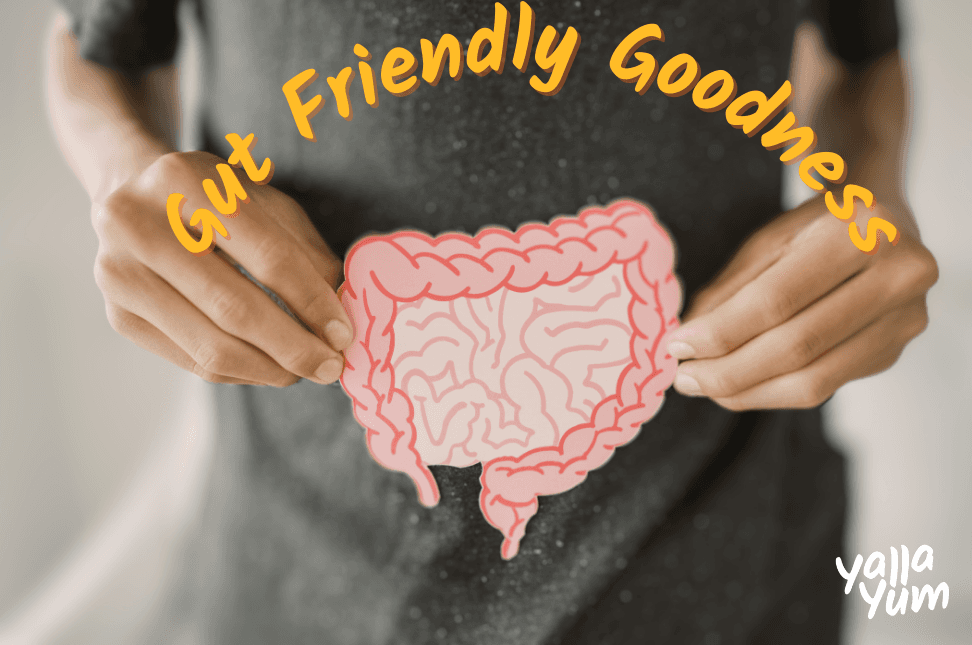
عالم العافية دايم يعرض لنا تناقضات – يوغا مقابل HIIT، باليو مقابل نباتي، تمارين تنفّس مقابل رقص. لكن في حقيقة وحدة الكل يتفق عليها: الهضم له دور أساسي في الصحة العامة والرفاه. يوم يكون جهازنا الهضمي شغال بشكل مثالي، نحصل على فوائد مثل طاقة أعلى، بشرة أصفى، نوم أفضل، وحتى قوام أنحف. للأسف، وايد منا يعانون من ضعف الهضم على شكل انتفاخ، ارتجاع حمضي، تقلصات بالمعدة، غازات، وعدم انتظام بحركة الأمعاء.
مقال
ليش ضعف الهضم صار شائع لهالدرجة؟
نمط الحياة الحديث غالبًا سريع، وما يترك وقت كافي إننا نركّز على التغذية الصحيحة. التوتر، الجلوس لفترات طويلة، وسهولة الوصول لسناكات فائقة المعالجة—all هالأشياء تلخبط جهازنا الهضمي. ومع هالروتين المزدحم، يصير أصعب نغطي احتياجنا اليومي من الألياف ونحافظ على صحة الهضم.
الحل: الفواكه المجففة بالتجميد
هني يي دور الفواكه المجففة بالتجميد – سناك عملي ومليان عناصر غذائية، ما بس يرضي الرغبة بالأكل، بعد يدعم صحة الهضم. إدخال الفواكه المجففة بالتجميد في نظامك اليومي خطوة سهلة تساعدك توصل للكمية الموصى فيها من الألياف: 25 غرام باليوم. خلّنا نشوف ليش هالفواكه تعتبر السناك الصديق للأمعاء اللي تحتاجه.
1. الفواكه المجففة بالتجميد تعزّز انتظام حركة الأمعاء
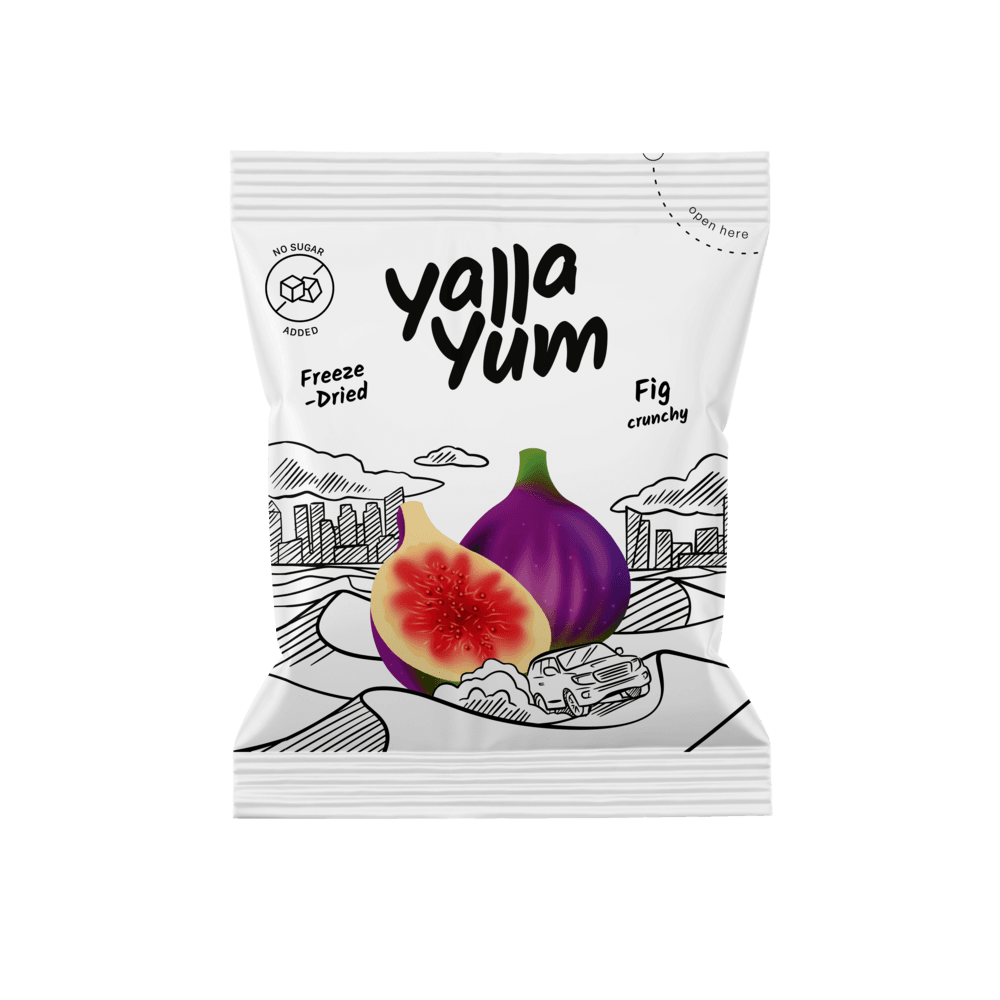
الفواكه المجففة بالتجميد مصدر طبيعي للألياف غير القابلة للذوبان، واللي تمتص الماء داخل الجهاز الهضمي، فتليّن محتوى الأمعاء وتسهّل مروره. هالشي يساعد على تقليل الإمساك ويعزّز الانتظام. التين المجفف بالتجميد مثلًا قوي بالألياف، ويوفّر لحد 5.0 غرام ألياف في الحصة الواحدة.
2. الفواكه المجففة بالتجميد تغذّي البكتيريا النافعة في الأمعاء
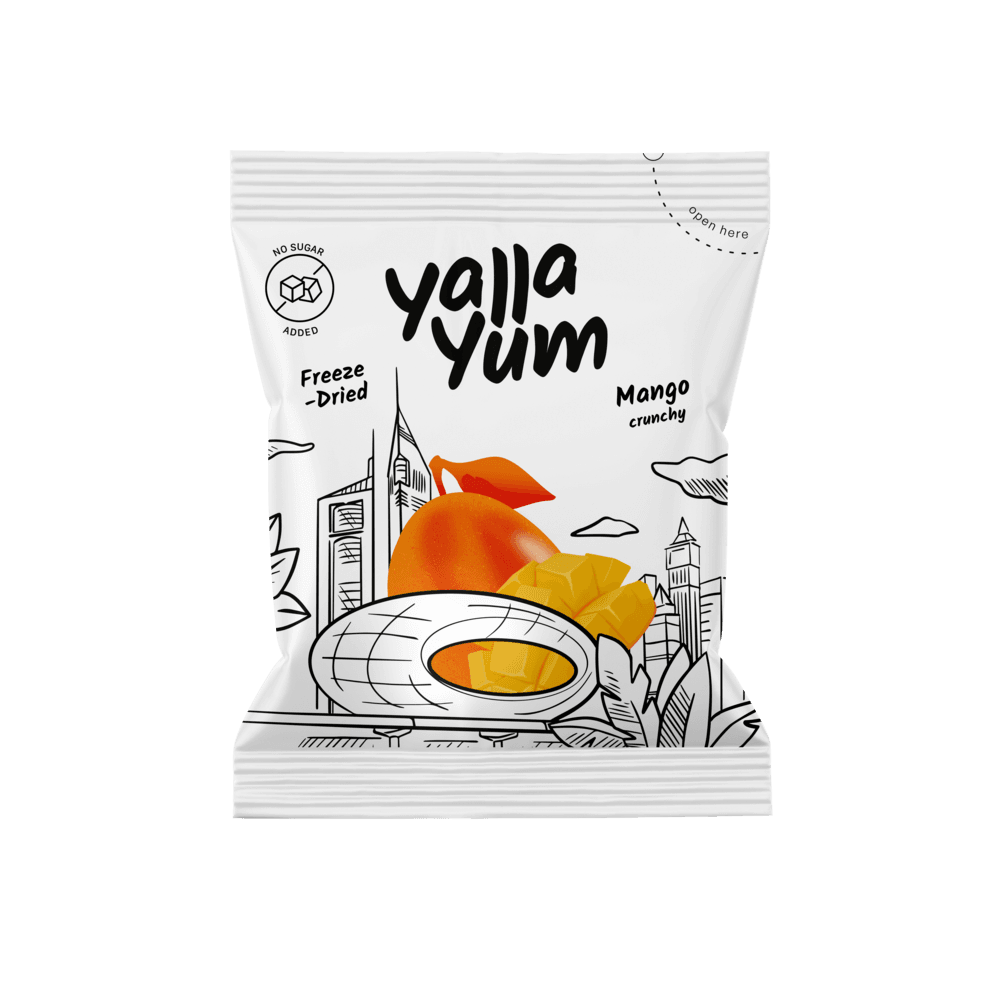
الألياف، البوليفينولات، والعناصر الغذائية الموجودة في فواكه مجففة بالتجميد مثل المانجو، الفراولة، والتوت الأزرق تشتغل كبريبايوتيك، يعني تغذّي البكتيريا النافعة في أمعائك بشكل مباشر. هالبكتيريا تستفيد من ألياف البريبايوتيك، وهذا يزيد تنوّع ميكروبيوم الأمعاء ويدعم توازن الهضم بشكل عام.
3. الفواكه المجففة بالتجميد تساعد في تقليل أعراض الأمعاء
لما تتخمّر الألياف داخل الأمعاء، تنتج أحماض دهنية قصيرة السلسلة (SCFAs). هالأحماض تقلّل الالتهاب وتحسّن وظيفة الأمعاء، وهذا يساعد على تخفيف أعراض مثل التقلصات، الانتفاخ، والانزعاج اللي غالبًا ترتبط بمتلازمة القولون العصبي (IBS) واضطرابات هضمية ثانية.
ليش تختار الفواكه المجففة بالتجميد بدل السناكات التقليدية؟
الفواكه المجففة بالتجميد تحتفظ بـ 97% من عناصرها الغذائية، وتعطيك نفس فوائد الفواكه الطازجة بس بشكل أريح للحمل، أسهل للاستخدام، وأطول عمر تخزين. وهي خالية من الإضافات والمواد الحافظة، فتكون سناك بدون تأنيب ضمير بأي وقت خلال اليوم. سواء كنت في الدوام، في النادي، أو على الطريق—الفواكه المجففة بالتجميد هي أفضل صديق لأمعائك.
شلون تدخل الفواكه المجففة بالتجميد في أكلك اليومي
- ضيف التوت المجفف بالتجميد على كورن فليكس الفطور أو سموذي بولز.
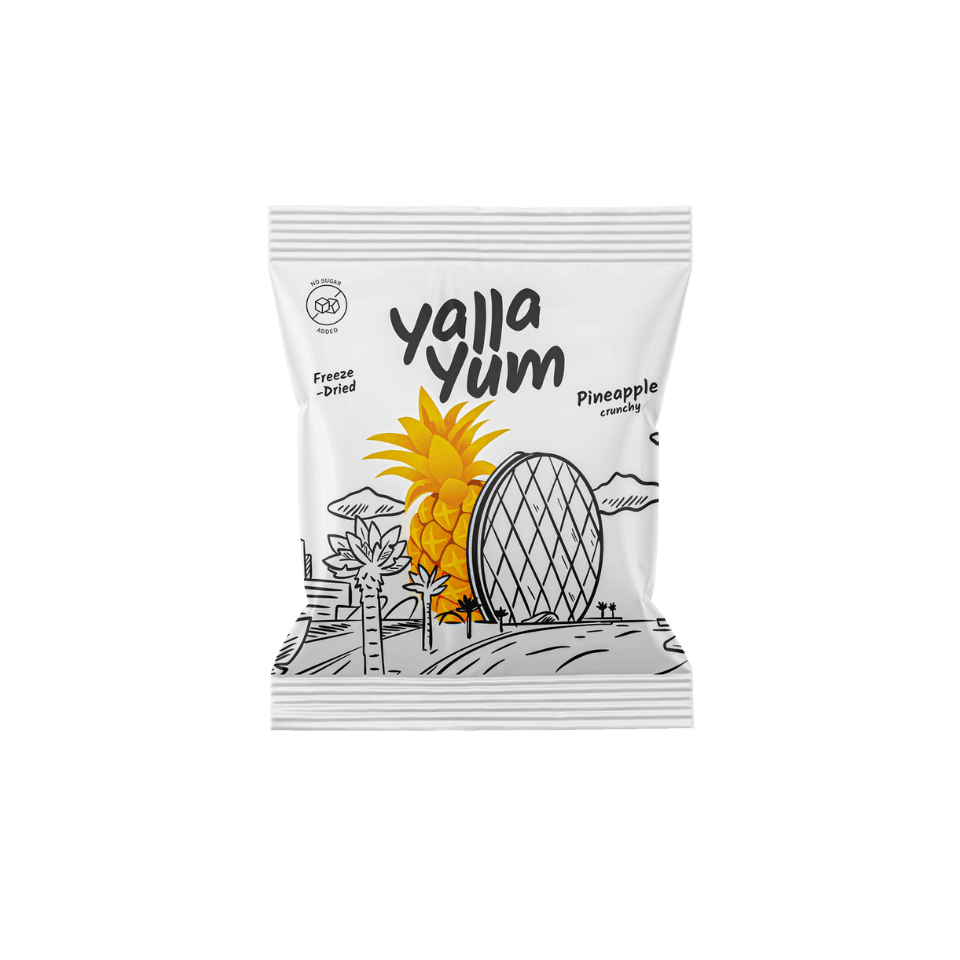
- سناك مانجو أو أناناس مجفف بالتجميد بين الوجبات.
- استخدم التين أو المشمش المجفف بالتجميد كتوبينغ للسلطات أو الزبادي.
- سوّ ألواح طاقة صحية بالفواكه المجففة بالتجميد عشان دفعة ألياف غنيّة.
أسئلة شائعة عن الفواكه المجففة بالتجميد وصحة الأمعاء
1. هل الفواكه المجففة بالتجميد مغذية مثل الفواكه الطازجة؟
نعم، الفواكه المجففة بالتجميد تحتفظ لحد 97% من عناصرها الغذائية، فتصير بديل عملي للفواكه الطازجة.
2. كم كمية الألياف في الفواكه المجففة بالتجميد؟
كمية الألياف تختلف حسب نوع الفاكهة، لكن التين المجفف بالتجميد مثلًا يعطي 5.0 غرام ألياف في الحصة الواحدة، وهذا يخليه مصدر ممتاز للألياف الغذائية.
3. هل الفواكه المجففة بالتجميد ممكن تساعد في أعراض القولون العصبي (IBS)؟
نعم، ألياف الفواكه المجففة بالتجميد تنتج SCFAs أثناء التخمّر، وهذا يقلّل الالتهاب ويخفف أعراض القولون العصبي.
4. هل الفواكه المجففة بالتجميد مناسبة للأطفال؟
أكيد! هي سناكات طبيعية وخالية من الإضافات، وآمنة ومغذية لكل الأعمار.
5. شلون نخزّن الفواكه المجففة بالتجميد؟
احفظ الفواكه المجففة بالتجميد في علبة محكمة الإغلاق بمكان بارد وجاف عشان تحافظ على القرمشة والطزاجة.